

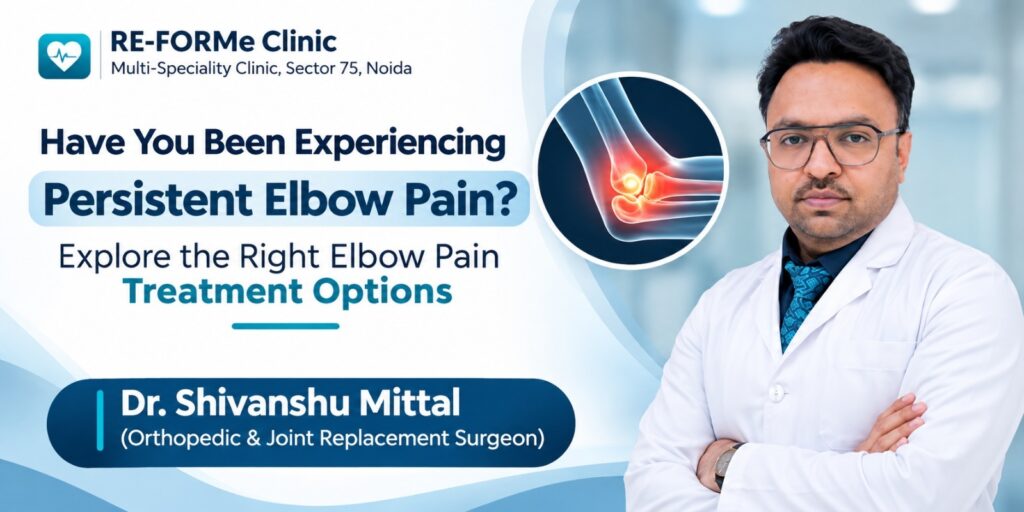
Experiencing pain on the outside of your elbow can often make simple activities difficult. You may feel pain when lifting a cup, carrying a bag, turning a door knob, or even shaking hands. This can indicate tennis elbow if you begin to feel more pain while gripping or lifting things.
Tennis elbow is a term used to describe a condition affecting the tendons on the outside of the elbow joint (medically known as lateral epicondylitis). This can occur in people who do not play tennis and can occur due to repeated movements causing irritation to the tendons around the wrist and forearm.
Knowing the common signs and causes of tennis elbow can help you spot the problem early.
What is Tennis Elbow?
Tennis elbow occurs when the tendons attached to the outside of the elbow become irritated. The tendons help us to move our wrist and fingers. Most often, the tendons become irritated due to repeated strain.
Tennis elbow can develop slowly over time. Often, it can occur due to repeated activities like typing, using tools, painting, cooking or lifting weights.
Simultaneously tennis players can suffer from tennis elbow, anyone with a physically demanding routine can.
Symptoms of Tennis Elbow –
Tennis elbow can cause a range of symptoms depending on how irritated the tendons are. Some people may just feel mild discomfort, Simultaneously others may struggle to complete everyday activities.
Common symptoms include :-
- Pain/tenderness on the outside of the elbow.
- Pain when gripping or holding.
- Pain when lifting with the palm facing down.
- Weakness in the wrist or hand.
- More discomfort when rotating the forearm.
- Pain that radiates from the elbow into the forearm.
Initially, discomfort may only occur when doing certain activities but may become more constant if the pain is due to repeated strain.
Causes of pain on the outside of the elbow :
Tennis elbow is often caused by repeated movements causing strain on the tendons in the forearm. Simultaneously it is associated with sport it can affect people of all ages and from all different backgrounds.
Common causes include:
- Gripping : Frequently gripping tools, equipment or objects can cause strain on the tendons in the forearm.
- Wrist movements : Repeated movements causing the wrist to bend or rotate can cause more strain.
- Sport : Playing tennis, badminton or some weight training exercises can cause repeated pressure on the elbow.
- Work : Jobs involving painting, plumbing, carpentry or long hours on a computer can cause discomfort.
- Suddenly increasing activity : Suddenly increasing the intensity or length of your physical activity can cause extra strain on the tendons.
The actual cause of tennis elbow can vary between individuals so if your pain is ongoing or affecting your daily activities an orthopaedic assessment would be beneficial.
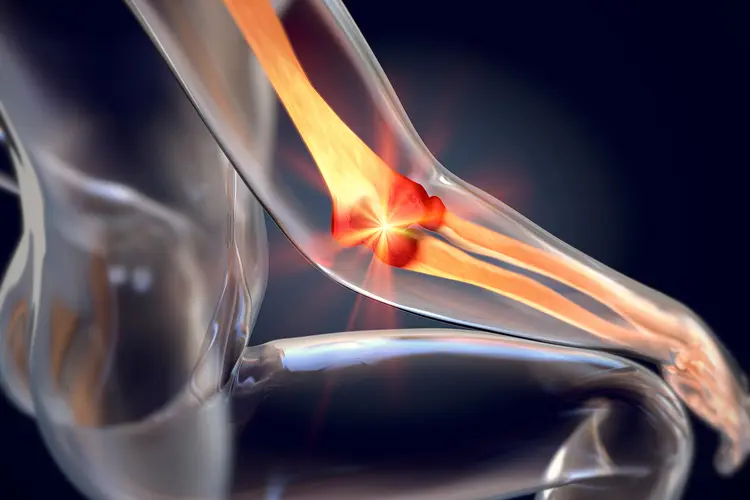
How is Tennis Elbow diagnosed?
Your doctor will first ask about your symptoms, daily activities, and medical history. They may then perform a physical examination to find the exact cause of your elbow pain.They will test how your elbow moves, how strong your grip is and whether you feel any pain when moving your wrist/forearm.
Further tests may be advised depending on your symptoms and findings.
Physical examination : to identify any areas of tenderness, pain when moving and any changes to grip strength.
X-ray : to identify whether there is any issues with your bones.
Ultrasound/MRI : In some cases to examine the tendons and soft tissue.
Not all patients will need imaging, it will depend on what is found clinically.
Tennis Elbow Management to improve the bone’s condition …
Treatment depends on the severity of your elbow pain and its cause. Most cases can be managed with rest, activity changes, and other non-surgical treatments recommended by a doctor. Common treatments include:
- Reducing activities : Reducing how much you are doing activities that are making your elbow painful.
- Ice : Applying ice wrapped in a cloth for short periods of time can help to reduce the discomfort.
- Physiotherapy : Physio can help to improve your strength, flexibility and tendon function in your forearm.
- Support : In some cases an elbow/forearm support may be advised.
- Medication : Your doctor may advise taking some pain relief medication.
Try to avoid doing any activities that are consistently causing you pain. Do not do any exercises or take any medication without the correct guidance, especially if your symptoms are severe.
When to see an Orthopaedic Doctor ...
Mild elbow pain may improve with rest and by avoiding activities that put pressure on the joint. However, if the pain persists or becomes worse, consult an orthopaedic doctor for proper evaluation. You should seek medical advice if:
- Your elbow pain isn’t improving with reducing any strenuous activities.
- You are struggling to grip or lift everyday items.
- The pain is affecting your sleep or daily activities.
- You are experiencing swelling, significant weakness or reduced mobility.
- The pain began after a fall or injury.
A proper assessment can help to identify whether the discomfort you are experiencing is due to tennis elbow or another issue with your elbow joint, tendons and surrounding area.
How Can We Reduce the Risk of Tennis Elbow?
Simple changes to your daily activities can help reduce the strain on your elbow due to repeated movements. This is very useful if your job or sport involves a lot of gripping and wrist movement.
- Take short breaks.
- Avoid lifting heavy objects with your wrist in an awkward position.
Use correct techniques when playing sport/exercising. - Build up your intensity.
- Warm up and strengthen correctly.
- Avoid doing any repeated movements that are causing pain in your elbow
If you are regularly experiencing joint or musculoskeletal issues an orthopaedic consultation can help you understand what may be causing the issues and what treatment options are suitable.
Orthopaedic Care with Dr. Shivanshu Mittal at RE-FORMe Clinic sector 75, Noida will be a best option.
There can be many causes of elbow pain. Identifying the cause of your pain is key in managing it. Dr Shivanshu Mittal, Orthopaedic and Joint Replacement Surgeon can help assess any musculoskeletal issues you may be experiencing and advise you on the right treatment for your condition.
Patients looking for a Knee care specialist in Noida may also require advice. Patients looking for a Hip Replacement Specialist in Sector 72 or Robotic Knee Surgery in Sector 78 should speak to a qualified orthopaedic surgeon about their individual needs.
Looking for light weight plaster in noida sector 73 for any fracture related issues should also receive a proper assessment to identify what type of immobilisation would be suitable. This will depend on the type and location of your injury.
If you are experiencing ongoing pain on the outside of your elbow you should see an orthopaedic specialist near me
FREQUENTLY ASKED QUESTIONS
1. What is the main cause of outside of elbow pain?
Outside of elbow pain can be caused by tennis elbow. This occurs due to irritation of the tendons attaching to the outside of the elbow. It is often caused by repeated gripping, lifting and wrist movements.
2. Can tennis elbow happen if I don’t play tennis?
Yes! Tennis elbow can affect those who don’t play tennis. It can occur due to repeated movements at work, during exercise or at home causing strain on the forearm tendons.
3. How long does it take for tennis elbow to improve?
This can vary depending on how severe your tennis elbow is, what activities you are doing and how well you respond to treatment. Some people will improve within a few weeks. If it is ongoing it may take longer to improve.
4. Should I stop exercising if I have tennis elbow?
You may need to reduce the amount of activities you are doing that are causing pain in your elbow. A doctor or physio can advise you on what exercises to do and when to gradually return to your normal activities.
5. When should I see a doctor for tennis elbow?
If you are experiencing ongoing elbow pain, difficulty gripping, lifting or any issues with daily activities you should see a doctor. An examination can help confirm the cause and advise you on the correct treatment.