

Have you ever experienced pain on the inner side of your elbow while lifting something, bending your arm, or performing everyday activities? Sometimes, the discomfort may begin gradually and become more noticeable when you grip objects, exercise, or put pressure on your arm.
Inner elbow pain is a common problem that can affect people with different lifestyles. It may develop due to repetitive movements, muscle strain, sports activities, or irritation of the tendons and nerves around the elbow joint. While mild discomfort may improve with rest, persistent or worsening pain should not be ignored.
Understanding the possible reasons behind this pain can help you recognise when medical attention is needed. If you are experiencing ongoing discomfort, consulting an experienced Orthopedic Doctor in Noida can help identify the cause and guide you towards suitable treatment.
What Are the Common Reasons Behind Pain on the Inner Side of the Elbow?
The inner side of the elbow contains tendons, muscles, ligaments, and nerves that work together to support arm movement. Repeated activities or sudden strain can affect these structures and lead to discomfort.
One common cause is medial epicondylitis, often known as golfer’s elbow. It develops when the tendons attached to the inner part of the elbow become irritated due to repeated stress. Despite its name, this condition does not affect only golfers. People who regularly lift weights, play racquet sports, or perform repetitive hand movements may also experience it.
Other possible causes include nerve irritation, ligament injuries, and muscle strain. The location and nature of the pain, along with other symptoms, can help an orthopaedic specialist understand what may be causing the problem.
Common causes of inner elbow pain include:
- Golfer’s elbow: Irritation of the tendons on the inner side of the elbow due to repetitive movements.
- Ulnar nerve irritation: Pressure or stretching of the nerve near the elbow, which may cause tingling or numbness.
- Muscle strain: Overuse or sudden movement can strain the muscles supporting the elbow.
- Ligament injury: Sudden twisting or excessive stress may affect the ligaments around the joint.
- Repetitive activities: Frequent gripping, lifting, or bending movements can gradually increase strain around the elbow.
Identifying the actual cause is important because different elbow conditions may require different treatment approaches.
Could Golfer’s Elbow Be the Reason for Your Inner Elbow Pain?
Golfer’s elbow is one of the frequently recognised causes of pain around the inner elbow. It affects the tendons that connect the forearm muscles to the bony area on the inside of the elbow. These muscles help with wrist movement and gripping activities.
The condition generally develops when these tendons experience repeated stress. Activities such as lifting heavy objects, using tools, playing sports, or performing repetitive work can contribute to the problem. You do not need to play golf to develop a golfer’s elbow.
The discomfort may initially appear during specific movements and gradually become more noticeable during routine activities. Some people experience tenderness around the inner elbow, while others find it difficult to grip or lift objects comfortably.
You may notice symptoms such as:
- Pain and tenderness around the inner elbow.
- Discomfort while gripping or holding objects.
- Increased pain when bending the wrist or lifting something.
- Weakness in the hand or forearm due to pain.
- Stiffness or discomfort during repeated arm movements.
Early evaluation can help prevent the condition from interfering further with daily activities. An Orthopedic Specialist in Noida can assess the affected area and recommend suitable care based on the severity of the symptoms.
How Can You Recognise the Symptoms of Inner Elbow Pain?
Inner elbow pain does not feel the same for everyone. Some people experience a mild ache, while others may notice sharp discomfort during certain movements. The symptoms often depend on which structure around the elbow is affected.
Pain caused by tendon irritation may become more noticeable when you grip something, lift an object, or move your wrist against resistance. If a nerve is involved, the discomfort may be accompanied by tingling or numbness that travels towards the fingers.
It is also important to observe whether the pain appears suddenly after an injury or develops gradually over time. These details can help a doctor understand the possible cause during an examination.
Pay attention to the following warning signs:
Pain that increases when bending or straightening the arm.
Tenderness when pressing the inner side of the elbow.
Difficulty holding, carrying, or lifting objects.
Tingling or numbness in the ring and little fingers.
Swelling, stiffness, or reduced movement around the joint.
Severe pain after an injury, visible deformity, significant swelling, or an inability to move the arm requires prompt medical assessment. Symptoms such as persistent numbness or increasing weakness should also be evaluated without delay.
Why Does Inner Elbow Pain Increase During Everyday Activities?
The elbow is involved in many movements that we perform throughout the day. Activities such as carrying shopping bags, typing, lifting household items, exercising, and using hand tools can repeatedly engage the muscles and tendons around the joint.
When these movements are performed frequently without adequate recovery, the affected tissues may become irritated. This is particularly relevant for people whose work or daily routine involves repeated gripping, lifting, or wrist movements.
Sports activities can also contribute to inner elbow discomfort. Weightlifting, tennis, golf, and throwing movements may place additional stress on the tendons and ligaments around the elbow, especially when the technique is incorrect or the activity level increases suddenly.
A few everyday habits that may increase elbow strain include:
- Lifting heavy objects with an awkward arm position.
- Repeating the same wrist and gripping movements for long periods.
- Increasing exercise intensity without gradual preparation.
- Continuing activities despite increasing elbow discomfort.
- Not allowing sufficient recovery after physically demanding work.
Making small changes to movement patterns and activity levels may help reduce unnecessary strain. However, persistent pain should be assessed rather than managed only through changes in routine.
How Is the Cause of Inner Elbow Pain Diagnosed?
Finding the reason behind inner elbow pain requires more than identifying the location of discomfort. Different conditions can produce similar symptoms, so an orthopaedic evaluation helps determine which structure may be affected.
During the consultation, the doctor may ask when the pain started, whether it followed an injury, and which movements make it worse. Information about your occupation, sports activities, and daily routine may also help identify repetitive strain.
A physical examination may include checking the elbow’s movement, tenderness, grip strength, and response to specific movements. The doctor may also assess the wrist, forearm, and nearby nerves when required.
Depending on the findings, further tests may be recommended:
- X-ray: Helps assess the bones and identify certain joint or bone-related problems.
- Ultrasound: May help examine tendons and other soft tissues.
- MRI: Can provide detailed images when a more complex tendon, ligament, or soft-tissue injury is suspected.
- Nerve-related tests: May be advised if symptoms suggest irritation or compression of a nerve.
Not everyone needs imaging or additional tests. The choice depends on the symptoms, physical examination, and suspected condition.
What Treatment Options Can Help to Relieve Inner Elbow Pain?
Treatment depends on the underlying cause, the severity of discomfort, and how long the symptoms have been present. Many cases related to tendon irritation or overuse can initially be managed without surgery.
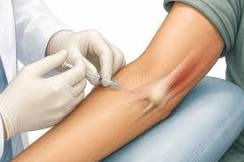
The doctor may recommend temporarily reducing activities that aggravate the pain. Applying an ice pack for short periods may help manage discomfort, while suitable medicines may be considered when medically appropriate.
Physiotherapy can also play an important role. Depending on the condition, exercises may focus on improving flexibility, strengthening the forearm muscles, and gradually restoring normal arm function. Returning to demanding activities too quickly may increase the risk of recurring
symptoms.
options may include:
Activity modification: Reducing movements that place repeated stress on the elbow.
Ice application: Using a cold pack for short periods to help manage discomfort.
Medication: Suitable pain-relieving or anti-inflammatory medicines when recommended by a doctor.
- Physiotherapy: Guided exercises to improve strength, flexibility, and movement.
- Support or bracing: Certain elbow supports may be advised for selected conditions.
- Further treatment: Additional procedures may be considered if symptoms continue despite appropriate conservative care.
The treatment plan should be based on the actual diagnosis rather than the assumption that every case of inner elbow pain has the same cause.
When Should You Consult an Orthopaedic Doctor for Elbow Pain?
Occasional discomfort after physical activity may improve with rest and reduced strain. However, pain that continues, repeatedly returns, or begins affecting routine activities needs proper evaluation.
You should consider consulting an orthopaedic specialist if the discomfort does not improve, becomes more severe, or makes it difficult to perform normal movements. Numbness, tingling, reduced grip strength, or weakness in the hand should also be taken seriously.
An orthopaedic doctor can assess whether the problem is related to tendon irritation, nerve compression, an injury, or another condition. Early diagnosis can help guide appropriate treatment and reduce the chances of prolonged discomfort.
If you are looking for an Orthopedic Doctor in Noida, Dr. Shivanshu Mittal at RE-FORMe Clinic, Sector 75, Noida, offers orthopaedic consultation for various bone, joint, and musculoskeletal concerns. Whether you need a Shoulder Specialist in Noida, a Back Pain Doctor Near Me, Ankle Treatment in Sector 80, or a Wrist Pain Specialist Near Me.
We provide a proper evaluation that helps to identify the cause of your discomfort. Patients from Sectors 72, 73, 74, 75, and 80 can also consult for concerns such as knee pain and Knee Swelling Treatment in Noida, with suitable treatment recommendations based on their condition.
Frequently Asked Questions
1. What is the most common cause of pain on the inner side of the elbow?
One common cause is golfer’s elbow, also called medial epicondylitis. It develops due to irritation of the tendons attached to the inner part of the elbow, often following repetitive gripping or lifting activities.
2. Can inner elbow pain occur without playing golf?
Yes. Golfer’s elbow can affect anyone who performs repeated gripping, lifting, wrist movements, or other activities that put stress on the forearm tendons. Playing golf is not necessary for developing this condition.
3. Why do I experience tingling in my fingers along with inner elbow pain?
Tingling in the ring and little fingers may be associated with irritation or compression of the ulnar nerve near the elbow. A medical examination can help determine whether the nerve is involved.
4. Can physiotherapy help with inner elbow pain?
Physiotherapy may help improve flexibility, strengthen supporting muscles, and restore movement in certain elbow conditions. The exercises should be selected according to the underlying cause and the individual’s condition.
5. When should I see an orthopaedic specialist for inner elbow pain?
Consult an orthopaedic specialist if the pain persists, becomes worse, affects daily activities, or is accompanied by numbness, tingling, or weakness. Severe pain or restricted movement after an injury requires prompt medical attention.