

You may have found that your knee is fine when you are walking on level ground but starts to cause pain when you climb stairs. This can cause confusion.
Knee pain when climbing stairs is a commonly reported issue in many age groups. It can be caused by a variety of factors including pressure on the joint, irritation around the kneecap, muscular weakness, changes to the cartilage and joint issues. Some people may develop the issue gradually whilst others may suffer with it following an injury.
Climbing stairs puts extra pressure on the joints and requires your knees to support a large amount of your body weight. This can cause pain if any of the muscles, cartilage or other structures have been affected.
Understanding the reason your knees are painful when climbing stairs is the first step in finding the best treatment. If you are still experiencing pain it is advised that you see an experienced Orthopedic Doctor in Noida.
Why Does My Knee Hurt More When Climbing Stairs?
Climbing stairs puts more pressure on your knee joint. As you lift your body, the muscles around your knees will contract and your kneecap will rub against your thigh bone.
This increase in pressure can cause pain around your knee joint if you suffer with any issues to your cartilage, tendons, muscles or other structures. Some people will feel pain when they go up stairs whilst others will feel more pain when coming down. This can provide useful information for your orthopaedic consultation.
Common reasons for increased knee pain when climbing stairs include:
- Increased pressure around the kneecap
- Thigh muscle weakness
- Cartilage irritation
- Tendon inflammation
- Previous knee injuries
There are many reasons why you may have knee pain when climbing stairs. Understanding the symptoms you are experiencing will help to determine the cause.
Common Causes of Knee Pain When Climbing Stairs
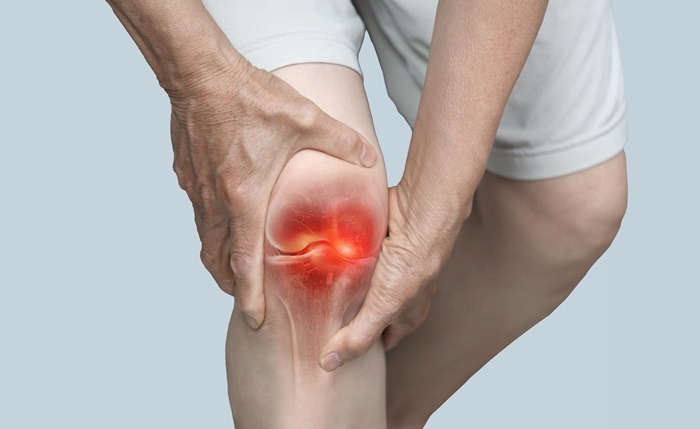
There are many reasons why you may have knee pain when climbing stairs. Patellofemoral pain syndrome is a common issue and causes pain around or behind the knee cap. This can happen if the kneecap doesn’t move comfortably within its natural range of movement or if the muscles around it aren’t supporting it.
Osteoarthritis can also cause pain when gradual changes occur to the cartilage around your knee joint. People suffering with this can find their knees stiff and uncomfortable.
Tendons can cause pain. The patellar tendon attaches your knee cap to your shin bone, helping with activities such as jumping, running and straightening your knee. This can become irritated due to continual stress.
Some common issues include:
Patellofemoral pain syndrome : Pain around or behind your knee cap. Often made worse by stairs, squatting and sitting for long periods.
Osteoarthritis : Gradual changes to your joint. Can cause pain, stiffness and limited movement.
Patellar tendinitis : Pain and irritation to the tendon below your knee cap. Can be related to repetitive jumping.
Meniscus injury : Damage to the cartilage that cushions your knee joint.
Muscular weakness : Weakness in your quad and hip muscles.
Knowing the underlying issue will help your orthopaedic specialist to decide the best course of treatment.
Recognising the Warning Signs –
Sometimes knee pain won’t be severe. Many people will notice mild discomfort when climbing stairs, squatting or standing from a chair. You may not think much of it at first.
However, if you are regularly experiencing pain this could indicate that your knee joint or surrounding structures need attention. Knowing where you are experiencing pain, if there is any swelling and how it affects you will help your doctor understand what the issue is.
You should take note if you experience:
- Pain around or behind your knee cap
- Stiffness after sitting for long periods
- Swelling around your joint
- Grinding/clicking and pain
- Difficulties bending or straightening your knee
- A feeling that your knee may buckle.
If you are experiencing sudden severe pain, significant swelling following an injury, unable to put weight through your knee or a visible deformity you should seek prompt medical attention. If your knee is hot, red and you have a fever you should also seek urgent attention.
Why Does My Knee Hurt More When Coming Downstairs?
Many people experience more discomfort when coming down stairs. This is because your knees have to control your body as you descend.
Your quad muscles at the front of your thighs will work to slow you down as your feet reach the bottom step. This can cause extra pressure on your knee joint and structures surrounding your knee cap.
If you have irritation behind your knee cap, weak thigh muscles or an issue with your joint this can cause extra discomfort. Those with patellofemoral pain syndrome often notice their symptoms when they are regularly bending their knees.
Some simple changes can help to reduce unnecessary strain when climbing stairs:
- Use the handrail for extra support.
- Don’t rush or take big steps.
- Ensure you place your foot firmly on each step.
- Try to avoid stairs if you are experiencing severe pain.
- Avoid actions that cause you to feel significant discomfort.
- Simultaneously these can help, if you are still experiencing symptoms you should see a medical professional.
How Will My Knee Pain Be Diagnosed?
To determine the cause of your knee pain, your orthopaedic doctor will examine your joint, muscles and movement. During your consultation they may ask about when your pain began, if it happened following an injury and what makes it worse.
They may carry out a physical examination to check your knee joint. This can include checking your range of movement, looking for any swelling, tenderness, muscle weakness and joint instability. They may also watch how you walk, bend your knee or move to understand where your pain is coming from.
Depending on what they find they may recommend some imaging. This can include:
X-ray – To look for any changes to your joint space, bone alignment and osteoarthritis.
MRI – Detailed images of your soft tissues including ligaments, cartilage and menisci.
Ultrasound – May be used to look at specific tendon and soft tissue issues.
Not everyone will require all of these tests. It will depend on your symptoms, examination findings and suspected issues. Getting an accurate diagnosis will help to ensure you don’t have any unnecessary treatment.
Treatment will depend on the cause of your pain, how severe your symptoms are and how much it is impacting you. Many people will benefit from non-operative treatment to improve their symptoms. Early diagnosis can help with this.
Your doctor may advise you to make changes to activities that are putting pressure through your knee. Physiotherapy can also help improve the strength, flexibility, balance and movement of your quad and hip muscles. It is important that exercises are chosen based on your condition.
Other treatment options may include medication, support and further treatment in some cases. If you suffer with certain joint issues, treatment such as PRP Treatment Near Me may be discussed. This will depend on suitability and the evidence available in medicine. PRP is not suitable for all knee issues and cannot guarantee to help.
When Should I See a Knee Specialist?
If you are occasionally experiencing discomfort following a strenuous activity this can often be resolved with sufficient rest. However, if you are regularly experiencing pain, noticing it more when using stairs or it is starting to impact your ability to walk and complete everyday tasks you should seek an evaluation.
When experiencing knee pain, swelling, stiffness or difficulty walking, consult a Knee Care Specialist in Noida, A Joint Specialist nearby can identify possible joint problems, while a Tendon Injury Specialist in Noida or Ligament Tear Doctor near you can assess related injuries.
If you are experiencing ongoing knee discomfort Dr. Shivanshu Mittal, Orthopaedic and Joint Replacement Surgeon at RE-FORMe Clinic, Sector 75, Noida can provide consultations relating to various knee and joint issues. A thorough evaluation can help determine the best treatment for your condition.
Frequently Asked Questions
1. Why does my knee hurt when I go up the stairs?
Knee pain when going up stairs can be caused by increased pressure around your knee cap, muscular weakness, tendon irritation and issues such as patellofemoral pain syndrome and osteoarthritis. A medical evaluation can help to determine the true cause.
2. Is knee pain when climbing stairs a sign of arthritis?
It can be related to osteoarthritis however it isn’t always. It can be caused by muscular weakness, knee cap issues, tendon irritation and previous injuries.
3. Why does my knee hurt more when coming down stairs?
Coming down stairs requires your thigh muscles to control your body. This can cause extra pressure on your knee joint and aggravate issues with your knee cap, cartilage and surrounding structures.
4. Can Physiotherapy help with knee pain when climbing stairs?
Yes! Depending on the cause of your pain physiotherapy can help to strengthen your muscles around your knee, improve flexibility and help with joint movement. It is important that exercises are guided by a qualified professional.
5. Does knee pain when climbing stairs mean I need a knee replacement?
No! Knee replacements are generally considered in select patients who suffer with severe joint damage. This will be considered if other treatment options haven’t provided adequate relief. Most cases of knee pain when climbing stairs won’t require surgery.