


You sit at your desk for several hours.
You look down at your phone while travelling.
You lean forward while working, relax on the sofa after a long day, or sleep in the same position every night.
At first, none of this seems like a major problem. But have you ever wondered why your neck feels stiff after work, why your shoulders feel tight, or why your lower back starts hurting after sitting for a long time?
Your posture may be playing a bigger role than you realise.
Good posture is not simply about sitting or standing straight. It is about maintaining comfortable alignment of the head, neck, shoulders, spine, pelvis, and lower body during everyday activities. When poor posture becomes a regular habit, it can place unnecessary stress on muscles and joints.
The good news is that small changes in how you sit, stand, move, work, and rest can support better spine health over time.
Why Does Posture Matter So Much for Your Spine?
Your spine supports your body throughout the day. It helps you stand, walk, bend, turn, and sit while maintaining stability and movement.
When your body stays in an awkward position for long periods, some muscles may have to work harder than necessary. Over time, this can contribute to muscle fatigue, stiffness, discomfort, and changes in movement patterns.
Poor posture does not automatically mean that someone will develop a serious spinal condition. However, maintaining unhealthy positions for prolonged periods, particularly with inactivity, can contribute to discomfort or make existing symptoms more noticeable.
What Happens When You Sit for Too Long?
Office work, studying, driving, travelling, and screen-based activities can keep people in one position for several hours.
The concern is not simply sitting itself. The bigger problem is remaining inactive and in the same position for too long. Long periods without movement can contribute to stiffness, muscle fatigue, lower back discomfort, and tightness.
Try introducing movement into your routine:
- Stand up and walk around regularly.
- Change your sitting position instead of staying fixed in one posture.
- Stretch gently when appropriate.
- Avoid working continuously for several hours without movement.
- Include regular physical activity in your daily routine.
Small habits can make a difference when followed consistently.
When Should You Take Spine Pain Seriously?
Occasional stiffness after sitting for a long time may improve with movement and rest. However, certain symptoms deserve medical attention.
You should consider seeking medical evaluation if you experience:
- Persistent or worsening back or neck pain
- Pain that repeatedly returns
- Weakness in an arm or leg
- Numbness or tingling
- Difficulty walking or maintaining balance
- Significant restriction in movement
- Pain affecting sleep or daily activities
- Pain following a fall, accident, or sports injury
These symptoms do not automatically indicate a serious spinal problem, but they should not be continuously ignored.
Could Your Exercise Routine Help Protect Your Spine?
Yes. Your spine works together with the rest of your body. Strong and flexible muscles can help support normal movement and stability.
Regular physical activity can help maintain strength, flexibility, balance, and general fitness. Walking, suitable strengthening exercises, stretching, swimming, and other activities can form part of an active lifestyle.
However, exercise should match your fitness level and physical condition. Increasing intensity too quickly or exercising with poor technique can increase the risk of injury.
If you already have significant pain or have recently suffered an injury, understand the cause before returning to demanding exercise.
What About Posture During Sports and Exercise?
Posture and body mechanics are important during physical activity as well as while sitting at a desk.
Poor movement patterns during weight training, running, cycling, gym workouts, or sports can place additional stress on different parts of the musculoskeletal system. Repeated incorrect movements may contribute to discomfort or injury.
If you experience persistent pain after sports or exercise, a Sports Injury Specialist in Sector 50 can help evaluate the problem and determine whether it is related to muscles, joints, tendons, ligaments, or other structures.
The goal should be to return to activity safely rather than simply continuing through pain.
Can Posture Problems Cause Knee or Hip Stress?
Posture involves the entire body, not just the spine.
The way your feet, knees, hips, pelvis, and spine work together can influence your overall movement pattern. Changes in one area may sometimes affect how another part of the body moves.
Maintaining general strength, flexibility, mobility, and healthy movement habits is therefore important. Persistent hip or knee symptoms should still be evaluated separately because they can have many causes.
For people experiencing significant hip problems, a Hip Replacement Specialist in Sector 75 may assess whether the symptoms are related to advanced joint damage or another condition requiring specialized treatment.
What If Back or Joint Pain Starts After an Injury?
Posture-related discomfort and injury-related pain should not be treated in exactly the same way.
If symptoms begin after a fall, accident, sports activity, sudden movement, or direct impact, there may be an underlying injury. Depending on the situation, an orthopaedic doctor may recommend an examination or imaging.
Some injuries may require rest and rehabilitation, while fractures or more significant injuries may require immobilization. People searching for light weight plaster in Noida or Water proof plaster near me should remember that the appropriate support should always be selected according to the actual injury and medical requirement.
Can Modern Orthopaedic Treatments Help Joint Problems?
Treatment should begin with understanding the actual condition.
Depending on the diagnosis, an orthopaedic treatment plan may involve activity modification, physiotherapy, medicines when appropriate, exercises, supportive devices, injections, or surgery.
For selected musculoskeletal conditions, treatments such as PRP may also be considered. If you are searching for PRP Treatment Near Me, remember that PRP is not suitable for every type of pain. Proper assessment is important before deciding whether it may be useful.
When Could Knee Replacement Become an Option?
Most people with knee pain do not immediately need knee replacement. Treatment depends on the severity of joint damage, symptoms, mobility, and response to other appropriate treatments.
When significant joint damage causes persistent pain and seriously affects everyday activities, a knee replacement evaluation may be considered.
Patients searching for a Knee Replacement Doctor in Sector 74 should first undergo a proper assessment to understand whether replacement is appropriate.
Similarly, robotic assistance may be used in selected knee replacement procedures. Someone searching for Robotic Knee Surgery in Sector 78 should understand that robotic technology is not automatically necessary for every knee condition. Suitability depends on the individual patient’s condition.
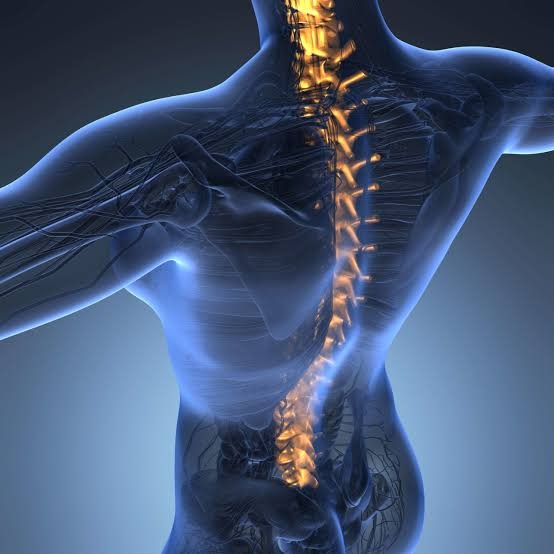
What Can You Do Every Day to Support Better Posture?
You do not need to completely change your lifestyle overnight. Small, consistent improvements are easier to maintain.
Become more aware of how you sit, stand, work, use your phone, and move throughout the day. Avoid staying in one position for too long and make regular movement part of your routine.
A few practical habits include:
- Keep your computer screen at a comfortable height.
- Support your feet while sitting.
- Avoid continuously looking down at your phone.
- Change positions regularly.
- Take short movement breaks during long working periods.
- Maintain appropriate physical activity.
- Use proper technique while exercising.
- Avoid repeatedly working through significant pain.
The aim is not to maintain a rigid posture every second of the day. Healthy posture is more about comfortable alignment, regular movement, and avoiding prolonged stressful positions.
Does Everyone Need the Same Spine Care?
No. Spine health can look different for different people.
An office worker who sits for eight hours may have different challenges from a delivery worker, athlete, or older adult with age-related joint changes.
This is why treatment and preventive advice should consider your daily routine, physical activity, previous injuries, symptoms, and overall musculoskeletal health.
If you are experiencing persistent joint or spine-related symptoms and searching for a Joint Specialist Near Me, a proper assessment can help determine what may be contributing to the problem and what type of care may be appropriate.
Where Can You Seek Orthopaedic Care in Noida?
People seeking orthopaedic care may come from different parts of Noida, including Sector 75, Sector 72, Sector 76, Sector 73, Sector 74, and Sector 50. Patients from these areas may seek consultation for spine discomfort, joint pain, sports injuries, fractures, knee conditions, and other orthopaedic concerns.
For patients looking for the Best Orthopedic Center in Sector 75, proper evaluation, clear treatment guidance, rehabilitation support, and follow-up are important factors to consider.
If you are searching for the Best Orthopedic Doctor Near Me or Best Orthopedic Specialist Near Me, the focus should not only be on temporary pain relief. Understanding the underlying cause and choosing an appropriate treatment approach are equally important.
For complex joint conditions, patients may also require specialized evaluation from a Joint Replacement Surgeon in Sector 73.
When Should You See an Orthopaedic Doctor?
If your neck, back, hip, knee, or other joint pain continues, repeatedly returns, limits movement, or affects your daily routine, an orthopaedic consultation can help identify the cause.
Dr. Shivanshu Mittal offers orthopaedic consultation and care for joint, bone, muscle, sports injury, fracture, and other musculoskeletal concerns. The appropriate treatment depends on the patient’s symptoms, examination findings, condition, and recovery needs.
Whether you are dealing with posture-related discomfort or searching for a Joint Specialist in Sector 75, the first step should be understanding what is causing your symptoms rather than simply continuing to live with the pain.
Frequently Asked Questions
Can poor posture cause back pain?
Poor posture can contribute to muscle fatigue, stiffness, and discomfort, particularly when a person remains in an awkward position for long periods. However, back pain can have many other causes, so persistent symptoms should be evaluated.
How can I improve my posture while working?
Keep your screen at a comfortable height, support your feet, avoid leaning forward for long periods, keep your shoulders relaxed, and take regular movement breaks instead of sitting continuously for several hours.
Is sitting for long hours bad for spine health?
Long periods of sitting without movement can contribute to stiffness and discomfort. Regularly changing positions, standing, walking, and maintaining an active lifestyle can help reduce the effects of prolonged inactivity.
Should I exercise if I have back pain?
It depends on the cause and severity of the pain. Gentle movement may be appropriate for some conditions, while certain injuries require activity modification. Persistent or significant pain should be assessed before continuing demanding exercise.
When should I see an orthopaedic doctor for back or neck pain?
Consider an evaluation if the pain persists, repeatedly returns, becomes worse, limits movement, affects sleep or daily activities, or is associated with weakness, numbness, tingling, difficulty walking, or an injury.
Can posture affect other joints?
Posture and movement involve the entire musculoskeletal system. Changes in how you sit, stand, or walk may influence movement patterns, but persistent knee, hip, shoulder, or other joint pain can have many different causes and should be properly assessed.